
The ATLAS Institute of Brain and Spine is internationally recognized as a leading center for the treatment of cerebral cavernous malformations, also known as cavernous angiomas or CCMs. Under the leadership of Dr. Aaron Cohen-Gadol, one of the most accomplished neurosurgeons in the world, patients receive highly specialized care informed by extensive surgical experience, advanced imaging technology, and innovative operative planning. Dr. Cohen has performed more than 800 cavernous malformation surgeries, an extraordinary volume that places him among the top specialists globally. His outcomes consistently exceed national standards, offering patients safer surgery, reduced recurrence rates, and long-term symptom resolution.
Patients seek out Dr. Cohen when they have been told their CCM is too deep, too risky, or too complex for surgery at other centers. His mastery in minimally invasive approaches, combined with the use of proprietary 3D surgical simulation and advanced intraoperative imaging, allows him to remove lesions with exceptional precision while minimizing disruption to surrounding neural structures. The result is a Cavernous Malformation Center of Excellence that delivers outstanding surgical results, comprehensive multidisciplinary care, and a patient experience grounded in safety, clarity, and compassion.
Dr. Aaron Cohen-Gadol performed surgery on me, and the results were excellent. I regained my full eyesight and have not had any issues. He and his staff have always been professional, courteous, and caring before the surgery and through the follow-up visits.
What Is a Cavernous Malformation?
A cavernous malformation is a cluster of abnormally formed blood vessels that resemble a mulberry-like structure. These lesions can occur anywhere in the brain or spinal cord and may cause symptoms such as headaches, seizures, neurological deficits, vision problems, hearing loss, numbness, balance difficulties, or weakness. Some CCMs remain stable and asymptomatic, while others bleed, enlarge, or grow in ways that disrupt brain function.
Because cavernous malformations can develop in highly sensitive regions, including the brainstem, thalamus, basal ganglia, and cerebral cortex, safe surgical treatment requires exceptional technical skill. Even small lesions can produce significant symptoms or neurological injury if left untreated or improperly managed. For this reason, expertise, planning, and surgical artistry are essential.
Dr. Cohen is known internationally for his ability to remove cavernous malformations from deep or high-risk regions with minimal postoperative deficits. His refined microsurgical techniques, careful dissection strategies, and extensive volume allow many patients to achieve full or near-full neurological recovery after surgery.
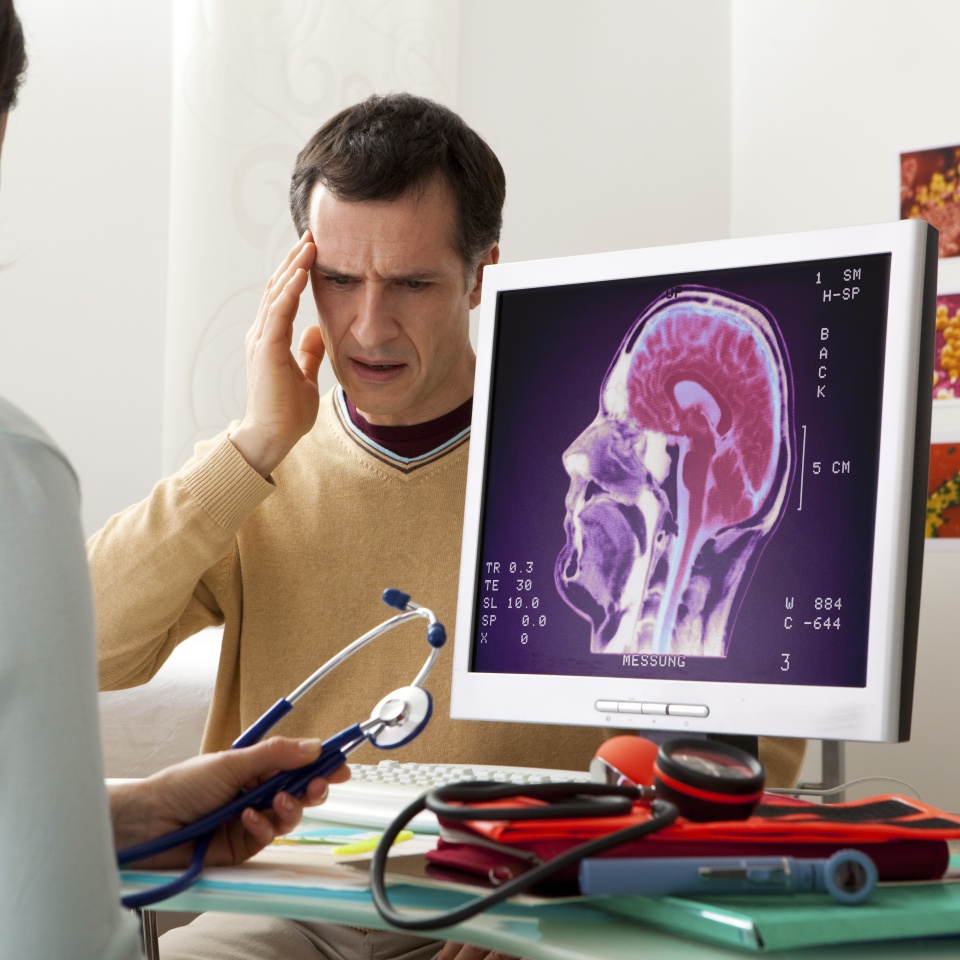
Why Patients Choose Our Center for CCM Surgery
One of the Highest Surgical Volumes in the World
With more than 800 CCM surgeries performed, Dr. Cohen’s experience places him among the most accomplished cavernous malformation surgeons globally. High-volume training directly correlates with better outcomes, especially for lesions in deep or eloquent brain regions.
Superior Symptom Resolution Rates
The center demonstrates a 98 percent success rate in resolving symptoms, an exceptionally high outcome that speaks to the precision of Dr. Cohen’s techniques and his case-selection expertise. Many patients report immediate or early improvement in neurological function following surgery.
Minimally Invasive CCM Surgery with Minimal Scarring
Whenever appropriate, Dr. Cohen uses small, cosmetically favorable incisions and minimally invasive surgical corridors to access cavernous malformations. These techniques reduce tissue disruption, improve healing, and shorten the recovery period, providing significant advantages to patients.
Reduced Recurrence Compared to Standard Centers
Meticulous lesion removal and advanced imaging guidance significantly reduce the likelihood of recurrence. When CCMs have been incompletely resected elsewhere, patients frequently travel to this center for second opinions and revision surgery.
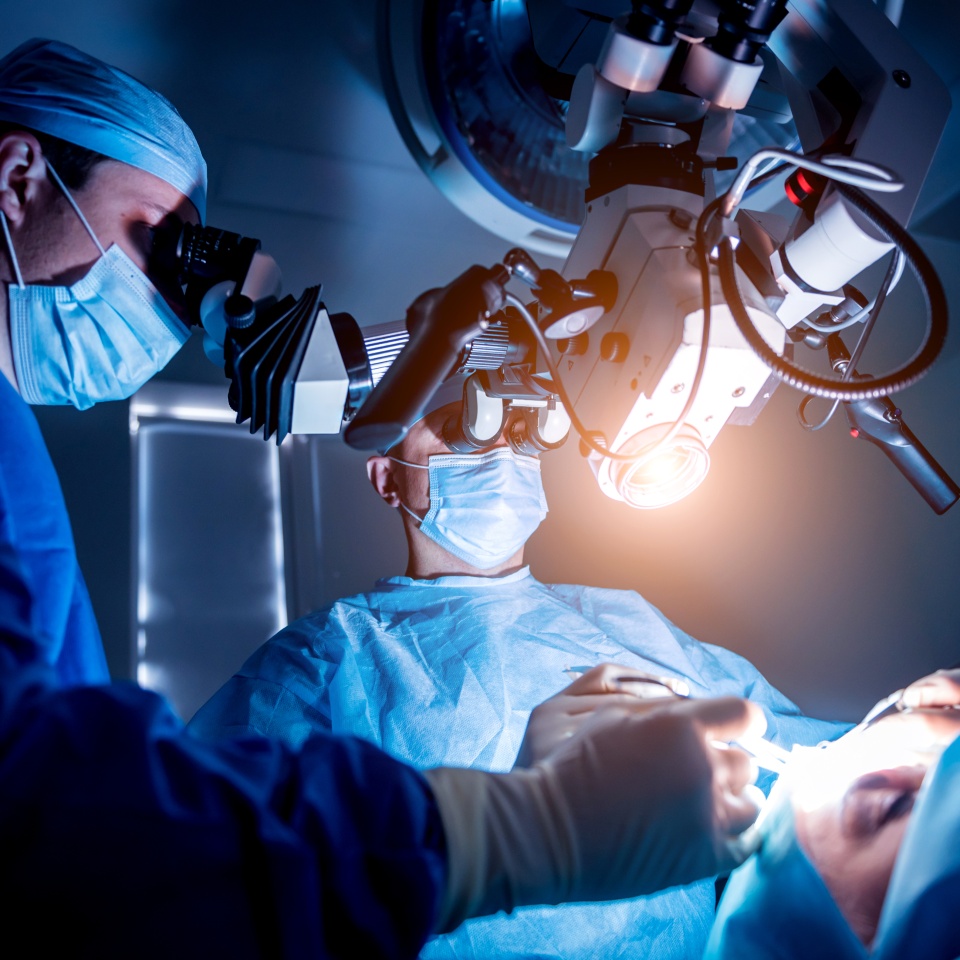
Advanced Technology for Precise CCM Localization and Safer Surgery
Cavernous malformations require exceptionally precise surgical mapping due to their proximity to critical neural pathways. Dr. Cohen integrates advanced technology throughout the diagnostic and operative process to maximize safety and accuracy.
High-Resolution MRI for Detailed Lesion Visualization
Cerebral cavernous malformations can vary widely in appearance and location. The center uses ultra high-resolution MRI with specialized sequences designed to highlight CCM tissue, enabling superior visualization of both superficial and deep lesions.
Intraoperative Ultrasound for Real-Time Surgical Guidance
Intraoperative ultrasound allows Dr. Cohen to confirm lesion boundaries and track lesion position relative to surrounding structures during surgery. This real-time feedback is invaluable when operating within tight corridors or deep brain regions.
Intraoperative Navigation for Safe Surgical Corridors
Navigation systems guide the surgical path with exceptional accuracy. These tools help avoid functional brain regions, reduce risk of injury, and support complete yet safe resection.
Proprietary 3D Surgical Simulation for Preoperative Planning
One of the most unique strengths of this center is the use of a proprietary 3D surgical simulation platform developed to improve surgical precision and reduce risk. Using the patient’s imaging data, Dr. Cohen rehearses the entire operation before entering the operating room.
This advanced simulation allows him to:
- Identify the safest possible trajectory to the lesion
- Visualize surrounding brain structures and vital pathways
- Avoid tissue manipulation that could cause postoperative deficits
- Evaluate potential challenges before the procedure
- Create a customized microsurgical strategy unique to each patient
Very few neurosurgical centers in the world offer this level of preoperative planning, and even fewer incorporate it as systematically or effectively as Dr. Cohen does.
Comprehensive, Multidisciplinary Care for Cavernous Malformation Patients
The ATLAS Institute of Brain and Spine provides a collaborative approach to CCM care, offering expertise from multiple specialties to ensure complete support before, during, and after treatment.
Vascular Neurology
Vascular neurologists evaluate patients to determine whether symptoms are due to CCM-related bleeding, lesion growth, or surrounding edema. Their assessments guide decisions regarding timing and necessity of surgery.
Interventional Radiology
Interventional radiologists assist in differentiating CCMs from other vascular abnormalities and provide advanced diagnostic support for complex or atypical cases.
Genetic Counseling for Hereditary CCM
Some patients have familial forms of CCM caused by genetic mutations. The center offers access to genetic counseling to support family screening, educate patients about recurrence risk, and guide long-term monitoring.
Rehabilitation and Postoperative Support
Patients benefit from a tailored rehabilitation plan designed to restore neurological function, improve strength, and support long-term recovery. The center’s commitment to comprehensive care continues well beyond surgery.
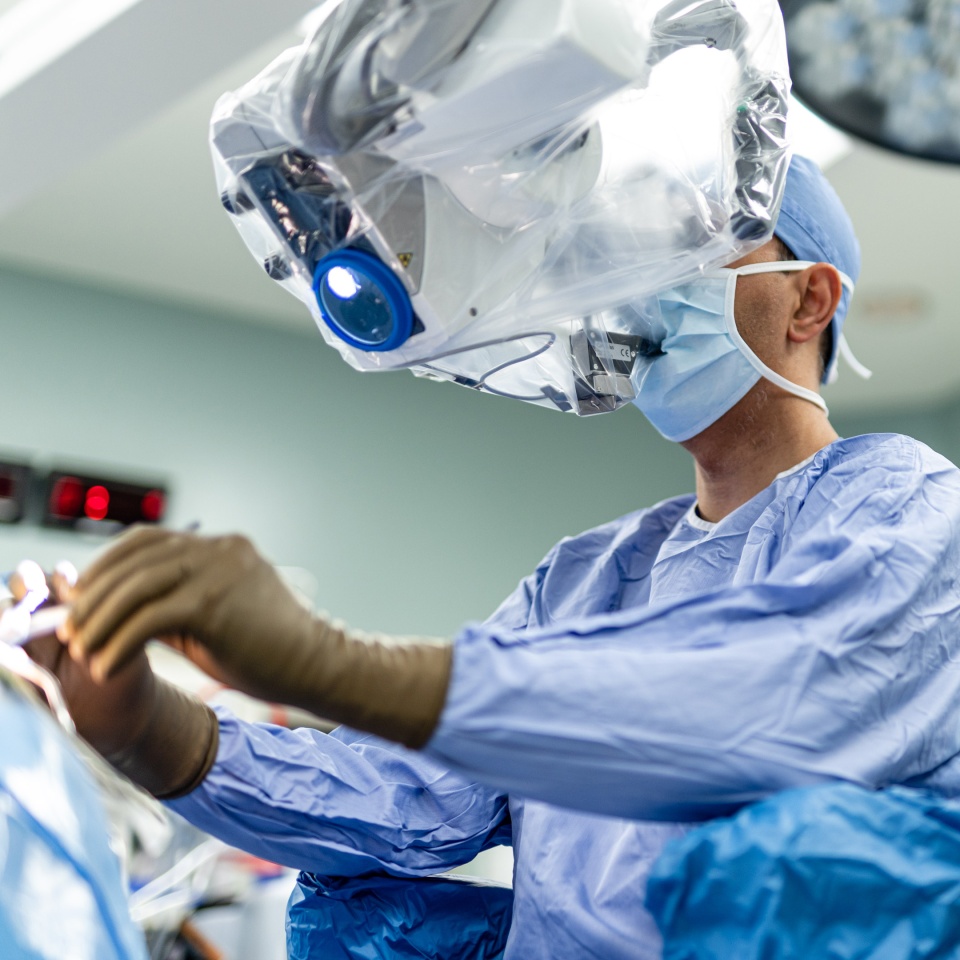
Surgical Approach and Philosophy
Cavernous malformations often lie deep within critical brain areas such as the brainstem or thalamus. Dr. Cohen’s surgical philosophy emphasizes minimal disruption to surrounding tissue and safe, meticulous removal of the lesion.
Minimally Invasive Entry Corridors
Dr. Cohen designs surgical pathways that minimize brain retraction and avoid essential structures. His techniques preserve normal neurological function and reduce postoperative deficits.
Precise Dissection and Lesion Removal
Using microsurgical instruments and advanced visualization, the lesion is separated from surrounding tissue while protecting neural pathways. Dr. Cohen’s experience in identifying subtle tissue planes is a key contributor to his superior outcomes.
Managing Deep and High-Risk CCMs
Deep-seated cavernous malformations, such as those in the brainstem, require precise planning and execution. Dr. Cohen’s extensive experience with these challenging cases allows him to safely treat lesions that many surgeons consider too dangerous to operate on.
The Patient Journey, What to Expect
Diagnosis and Imaging
Most patients begin with high-resolution MRI to identify the presence, size, and characteristics of the cavernous malformation.
Consultation with Dr. Cohen
During the consultation, Dr. Cohen reviews imaging, explains the natural history of CCMs, discusses treatment options, and recommends the safest and most effective approach.
Preoperative Simulation and Planning
The 3D surgical simulation platform is used to rehearse the procedure, evaluate key surgical landmarks, and create a customized microsurgical plan.
Surgery and Hospital Recovery
Surgery is performed using minimally invasive techniques whenever possible, with real-time monitoring to protect neurological function. After surgery, patients typically spend time in a specialized neurosurgical recovery unit.
Long-Term Monitoring and Follow-Up
Patients receive detailed follow-up instructions, periodic imaging, and access to coordinated support throughout their recovery.
Superior Outcomes and Long-Term Results
Exceptional outcomes define the Cavernous Malformation Center of Excellence.
98 Percent Symptom Resolution
The majority of patients experience significant improvement or complete resolution of their preoperative symptoms, including headaches, seizures, dizziness, or weakness.
Lower Complication and Recurrence Rates
Advanced imaging, careful planning, and surgical experience all contribute to reduced risks. Patients benefit from safer procedures and long-term stability.
Participation in International CCM Research and Clinical Trials
The center contributes to global research registries and participates in international studies aimed at improving CCM understanding and treatment. Patients gain access to innovative therapies that are not widely available elsewhere.
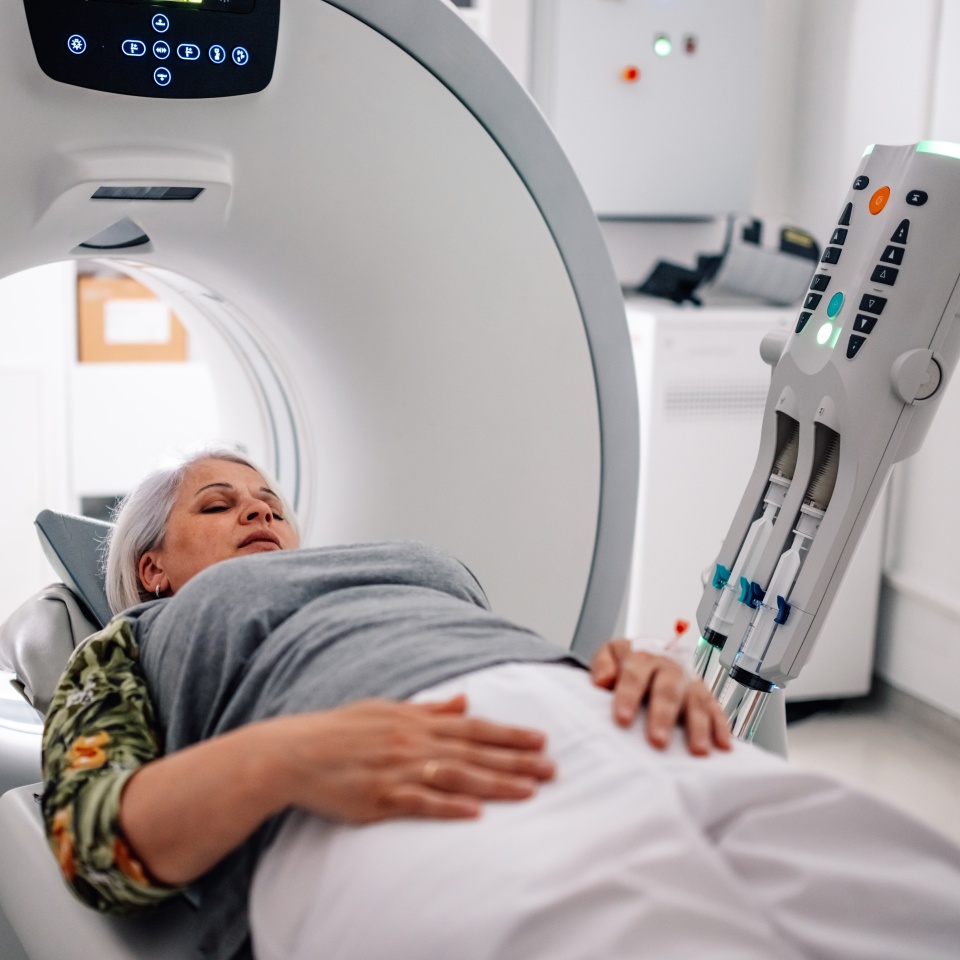
Frequently Asked Questions About Cavernous Malformation Surgery
-
Surgery is typically recommended when the lesion has bled, is growing, causes neurological symptoms, or sits in an accessible location where safe removal is possible.
-
Many are, especially at high-volume centers. Dr. Cohen specializes in deep and complex CCMs and has successfully treated lesions other surgeons consider inoperable.
-
Recurrence is significantly reduced when the malformation is completely removed. Advanced imaging and surgical expertise contribute to superior long-term stability.
-
Recovery varies based on location and complexity. Patients undergoing minimally invasive surgery often recover faster and experience fewer neurological deficits.
-
It allows the surgeon to rehearse the entire procedure using the patient’s anatomy, improving accuracy, shortening operative time, and reducing complications.
-
No. Some can be safely observed. Treatment depends on symptoms, bleed history, lesion growth, and anatomical location.
-
It is recommended for patients with multiple CCMs or a family history of the condition. Genetic counselors support long-term care planning.
-
Yes. The center offers complete support for traveling patients, including virtual consultations and coordinated postoperative follow-up.
-
High-resolution MRI with specialized sequences is the primary imaging tool. In some cases, additional studies help evaluate surrounding brain structures.
Request a Consultation with the Cavernous Malformation Center of Excellence
Patients with cerebral cavernous malformations deserve care from a highly experienced neurosurgeon who understands the delicate nature of these lesions. Dr. Aaron Cohen-Gadol provides world-leading expertise supported by advanced imaging, minimally invasive techniques, and comprehensive multidisciplinary care. To schedule a consultation or learn more about treatment options, contact the ATLAS Institute of Brain and Spine.