
The ATLAS Institute of Brain and Spine is internationally recognized as one of the premier destinations for the treatment of hemifacial spasm through microvascular decompression surgery. At the center of this program is Dr. Aaron Cohen-Gadol, one of the world’s most accomplished neurosurgeons and a leading authority on minimally invasive microvascular decompression. Dr. Cohen has performed more than 600 hemifacial spasm operations, a lifetime volume far exceeding that of most neurosurgeons, resulting in cure rates and patient outcomes that are significantly above national and international averages.
Patients from across the United States and around the world seek out Dr. Cohen when they desire the highest likelihood of a permanent cure, the most advanced minimally invasive techniques, and the lowest possible risk of facial weakness or complications. His unique infra-floccular MVD approach, refined over many years and applied consistently across hundreds of cases, offers a documented 95 percent cure rate and a less than 1 percent risk of facial weakness, placing this center among the absolute leaders in hemifacial spasm care.
With advanced technology, comprehensive diagnostic evaluation, and a multidisciplinary treatment team dedicated exclusively to facial nerve disorders, this center delivers world-class outcomes with exceptional safety, precision, and long-term durability.
Dr. Aaron Cohen-Gadol performed surgery on me, and the results were excellent. I regained my full eyesight and have not had any issues. He and his staff have always been professional, courteous, and caring before the surgery and through the follow-up visits.
Understanding Hemifacial Spasm
Hemifacial spasm is a neurological condition characterized by involuntary twitching or contractions on one side of the face. It is most commonly caused by a blood vessel compressing the facial nerve at its root exit zone in the brainstem. Over time, this compression leads to irritation of the nerve, which produces continuous or episodic spasms that can affect the eyelid, cheek, mouth, and neck.
Patients often experience:
- Eyelid twitching or forced closure
- Facial pulling or tightening
- Difficulty keeping the eye open
- Interference with speaking, eating, or social interaction
- Emotional distress or anxiety due to visible spasms
- Worsening symptoms over months or years without treatment
Because the condition is progressive for many individuals, accurate diagnosis and timely treatment are essential. While Botox injections can temporarily relieve symptoms, microvascular decompression surgery offers the only permanent cure. Dr. Cohen specializes exclusively in the minimally invasive surgical correction of hemifacial spasm, providing long-term relief and restoration of normal facial function.

Why Patients Choose Our Center for Hemifacial Spasm
One of the Highest Surgical Volumes in the World
With more than 600 microvascular decompression procedures performed for hemifacial spasm, Dr. Cohen’s experience level is far beyond that of most neurosurgeons, who may perform only a handful of MVD surgeries per year. High-volume experience directly correlates with improved safety, shorter operative times, and greater consistency in achieving complete spasm resolution.
Enhanced Safety with Real-Time Facial Nerve Monitoring
Continuous neuro-monitoring during surgery ensures that the facial nerve is protected at every stage of the operation. This is essential for preventing postoperative weakness.
Unique Infra-Floccular Technique with Superior Outcomes
Dr. Cohen pioneered and refined a minimally invasive infra-floccular MVD technique that offers:rnu003culu003ern tu003cliu003eA 95 percent cure rateu003c/liu003ern tu003cliu003eLess than 1 percent risk of facial weaknessu003c/liu003ern tu003cliu003eMinimal manipulation of brain tissueu003c/liu003ern tu003cliu003eSmaller incisions and a more cosmetic resultu003c/liu003ern tu003cliu003eFaster recovery and shorter hospital staysu003c/liu003ernu003c/ulu003ernThis approach avoids many of the pitfalls of traditional MVD methods, and very few surgeons worldwide are trained in this level of nuance and precision.
Outcomes that Surpass National Benchmarks
The center consistently delivers:rnu003culu003ern tu003cliu003eOver 95 percent complete spasm resolutionu003c/liu003ern tu003cliu003eA 95 percent durable cure rate at ten-year follow-upu003c/liu003ern tu003cliu003eMultimodal imaging for precise vascular identificationu003c/liu003ern tu003cliu003eLower complication rates than standard centersu003c/liu003ernu003c/ulu003ernThese long-term results place the program among the most reputable hemifacial spasm centers in the world.
Multidisciplinary Care Exclusively for Facial Nerve Disorders
A hallmark of this Center of Excellence is the integrated care model that ensures accurate diagnosis, optimal timing of surgery, and expert postoperative support.
Movement Disorder Neurology
Neurologists specializing in movement disorders evaluate facial spasms, rule out mimicking conditions, and provide guidance for patients transitioning from Botox injections to definitive surgical cure.
Neuro-Ophthalmology
Patients with eyelid involvement benefit from evaluation by neuro-ophthalmologists who assess visual impact, eye closure strength, and protective reflexes.
Botox-Transition Specialists
For patients using Botox, a structured transition plan ensures that spasms are managed safely while preparing for surgery.
Postoperative Rehabilitation and Follow-Up
Patients have access to specialized postoperative care, including monitoring for nerve recovery, ensuring optimal long-term results, and providing support as facial function normalizes.
Advanced Technology for Precision MVD Surgery
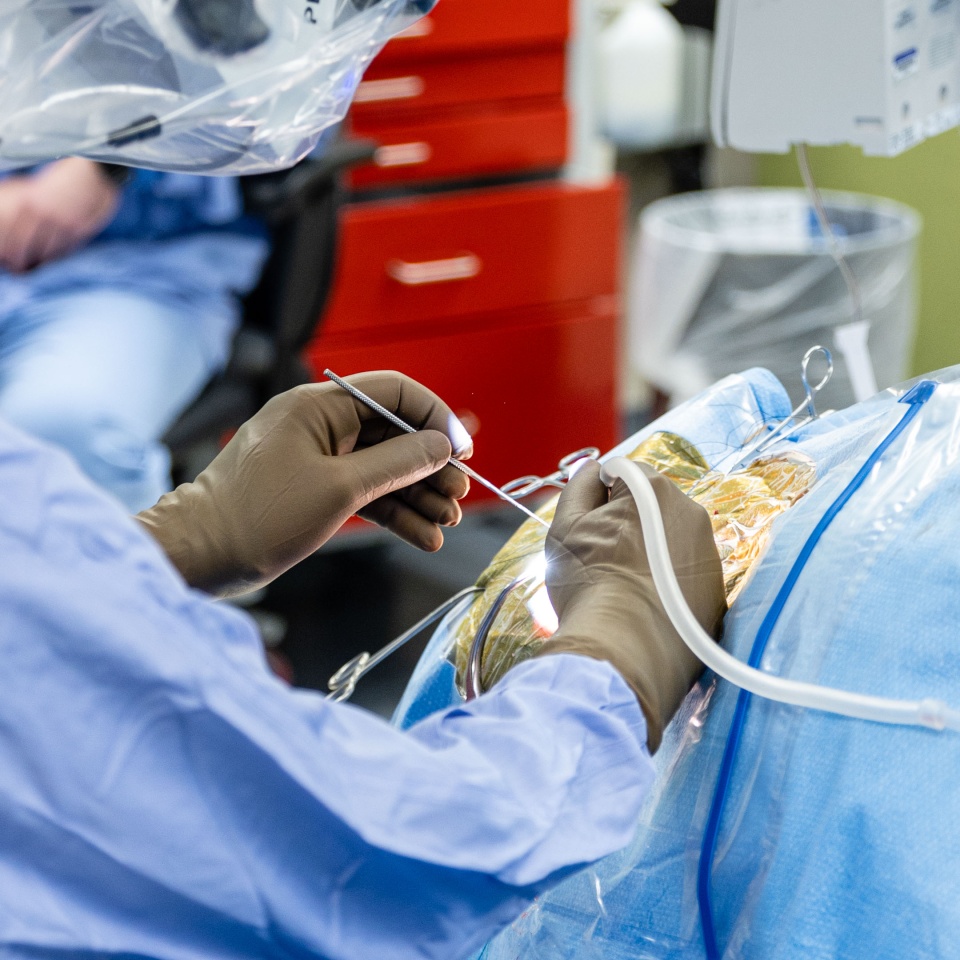
Microvascular decompression requires exact identification of the offending blood vessel and precise placement of a protective cushion to permanently relieve nerve compression. Dr. Cohen integrates multiple technologies to achieve these high standards.
Ultra High-Definition Endoscopy
Endoscopy provides unparalleled visualization of the nerve, blood vessel, and surrounding anatomy. The improved clarity allows for safer dissection, complete decompression, and smaller incisions.
Intraoperative Neuro-Monitoring
Real-time facial nerve monitoring assesses nerve activity moment by moment. This technology alerts the surgical team to any change that could indicate stress on the nerve, allowing immediate correction to prevent injury.
Real-Time Facial Nerve Mapping
Precise nerve mapping helps confirm the exact location of the facial nerve root exit zone, enabling Dr. Cohen to identify the compressing vessel rapidly and safely.
Microvascular Imaging and High-Resolution MRI
Preoperative imaging is used to identify the type of vessel, its path, and its relationship to the facial nerve. This improves surgical planning and increases the likelihood of complete decompression.
Proprietary 3D Surgical Simulation Platform
A key advantage of this center is the use of a custom-built 3D simulation system that recreates the patient’s anatomy using high-resolution MRI data. Dr. Cohen rehearses each operation before entering the OR, which allows him to:rnu003cul class=u0022wp-block-listu0022u003ern tu003cliu003eVisualize the location of the facial nerve and the offending vesselu003c/liu003ern tu003cliu003ePlan the safest surgical corridoru003c/liu003ern tu003cliu003eAnticipate challenges unique to the patient’s anatomyu003c/liu003ern tu003cliu003eReduce operative time and minimize risku003c/liu003ernu003c/ulu003ernVery few centers have access to this level of simulation, and its use contributes significantly to the program’s superior outcomes.
Surgical Approach, What Makes Dr. Cohen’s Technique Unique
The Infra-Floccular Approach
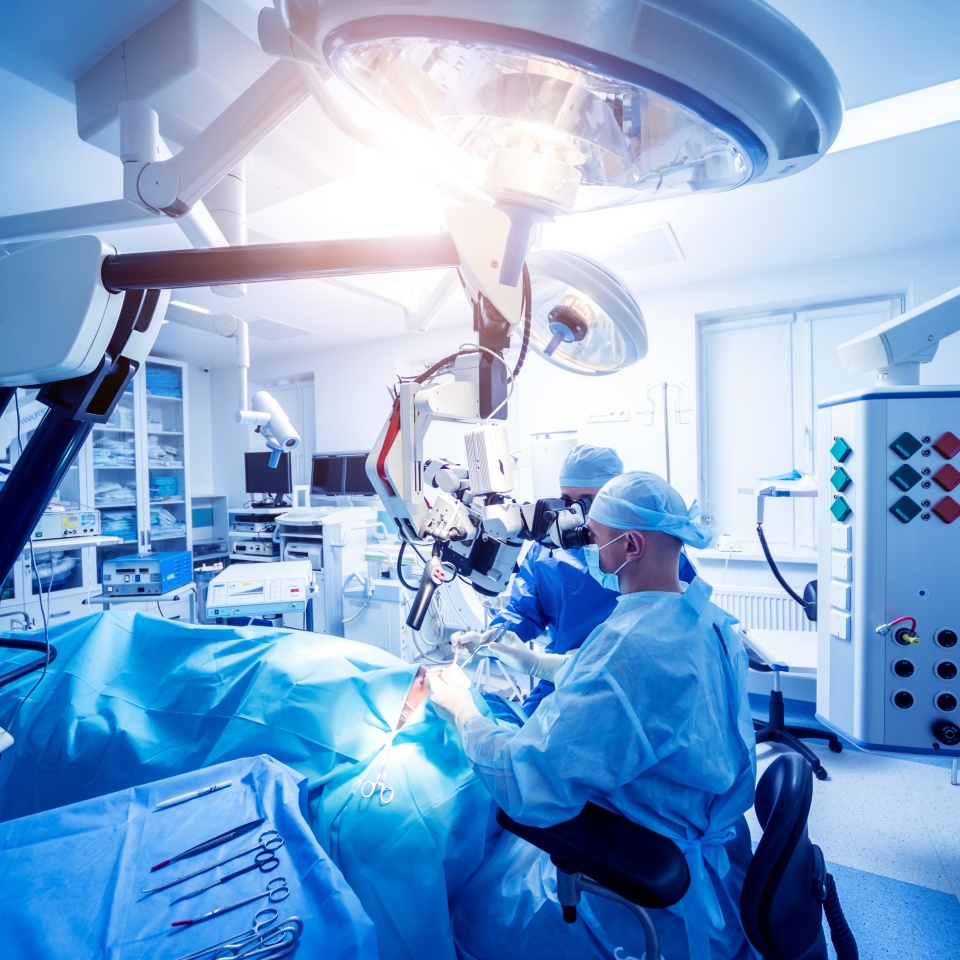
Dr. Cohen’s signature technique involves a delicate pathway beneath the cerebellar flocculus. This approach provides a direct route to the facial nerve with minimal cerebellar retraction, improving visibility and reducing the risk of complications.
Precise Identification of the Offending Vessel
The majority of hemifacial spasm cases are caused by an artery compressing the nerve. Dr. Cohen identifies the vessel with enhanced visualization, gently mobilizes it, and places a soft cushion to prevent future compression.
Minimally Invasive Exposure and Smaller Incisions
Patients benefit from small, cosmetically favorable incisions that heal with minimal visible scarring.
Stable Long-Term Decompression
Long-term outcomes depend on correct vessel identification and secure placement of the decompression material. Dr. Cohen’s technique minimizes the risk of vessel migration or incomplete decompression.
Superior Outcomes and Long-Term Cure
95 Percent Cure Rate
Most patients experience immediate or gradual resolution of facial spasms, with the vast majority achieving complete cure.
Less Than 1 Percent Risk of Facial Weakness
Exceptional care is taken to avoid nerve irritation during surgery, contributing to extremely low rates of postoperative weakness or numbness.
Proven Long-Term Stability Over Ten Years
A ten-year follow-up study demonstrates a 95 percent durable cure rate, affirming the long-term reliability of Dr. Cohen’s surgical methods.
Contribution to Global Registries and Research
The u003cspanu003eATLAS Institute of Brain and Spineu003c/spanu003e participates in international hemifacial spasm registries, contributing valuable data that advances global understanding of the condition.
What to Expect, The Patient Journey
Diagnosis and Imaging
Patients undergo MRI imaging to identify the compressing vessel and confirm the diagnosis of hemifacial spasm.
Consultation with Dr. Cohen
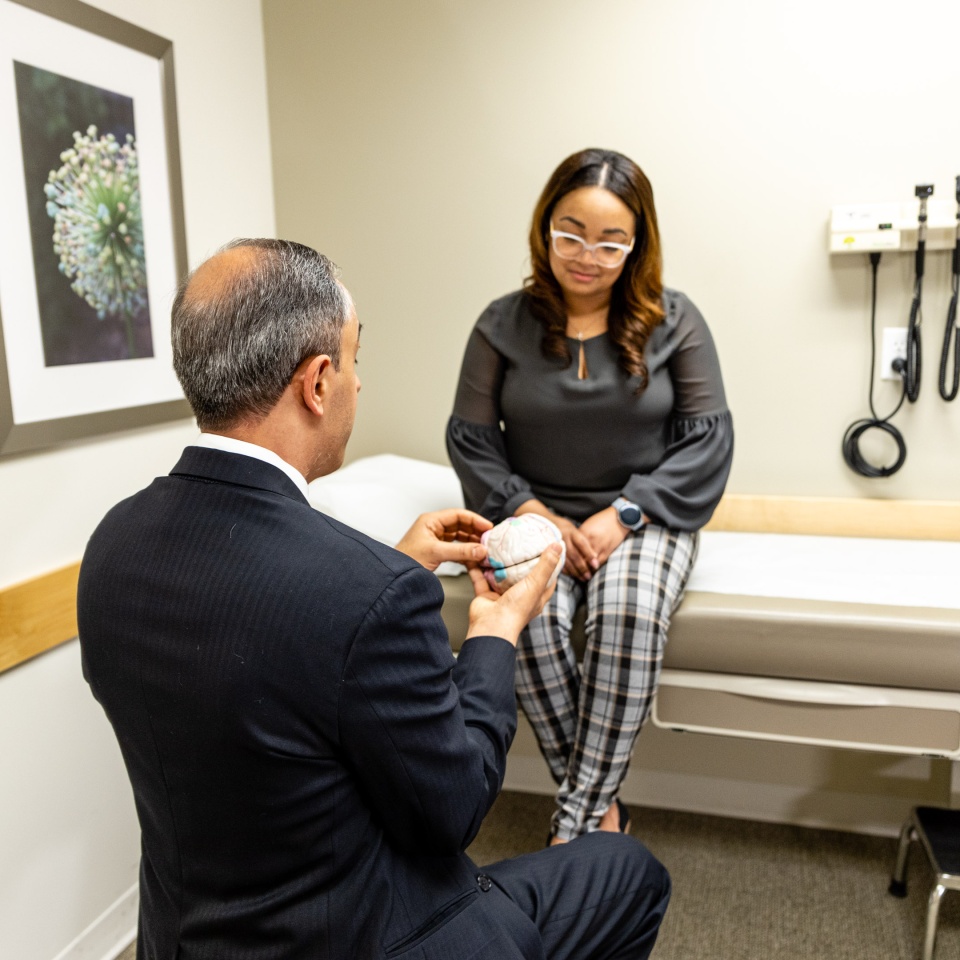
During consultation, Dr. Cohen provides a clear explanation of the cause of symptoms, reviews imaging, and outlines the surgical plan with exceptional clarity.
Preoperative Planning and 3D Simulation
The proprietary 3D simulation platform is used to rehearse the procedure and map the safest route to the facial nerve.
Surgery and Hospital Recovery
Microvascular decompression is performed under general anesthesia using minimally invasive exposure, ultra high-definition endoscopy, and continuous facial nerve monitoring. Patients typically spend one to two nights in the hospital.
Long-Term Follow-Up
Follow-up appointments evaluate nerve recovery, spasm resolution, and long-term stabilization. Most patients resume normal activities quickly after surgery.
Frequently Asked Questions About Hemifacial Spasm Surgery
-
Yes. MVD is the only treatment that addresses the root cause of hemifacial spasm and offers a permanent cure.
-
His infra-floccular approach, extensive surgical volume, and advanced imaging technology contribute to superior safety and cure rates.
-
Many patients experience immediate improvement, while others see gradual resolution over several weeks or months.
-
Postoperative discomfort is typically mild and easily managed. Most patients recover quickly.
-
Risks are very low at high-volume centers. Facial weakness, hearing changes, or CSF leaks are uncommon due to modern minimally invasive techniques.
-
High-resolution MRI is used to assess the compressing vessel and confirm candidacy for MVD.
-
Yes. Many patients transition from Botox to definitive surgical cure.
-
Recurrence is extremely rare, especially when the decompression is complete and stable.
-
Yes. The center regularly cares for patients from across the United States and internationally. Virtual consultations and coordinated travel assistance are available.
Request a Consultation with the Hemifacial Spasm Center of Excellence
Patients seeking a long-term cure for hemifacial spasm should receive care from a high-volume microvascular decompression specialist with demonstrated excellence in outcomes and safety. Dr. Aaron Cohen-Gadol offers unparalleled expertise, advanced minimally invasive techniques, and long-term results that far exceed standard neurosurgical benchmarks. To schedule a consultation or learn more about microvascular decompression, contact the ATLAS Institute of Brain and Spine.