
At the ATLAS Institute of Brain and Spine, meningioma patients receive care from Dr. Aaron Cohen-Gadol, one of the most accomplished neurosurgeons in the world and a recognized leader in complex, minimally invasive meningioma surgery. Over the course of his career, Dr. Cohen has performed more than 2,000 meningioma operations, an extraordinary volume that places him among the highest experience levels globally. His surgical outcomes consistently exceed national benchmarks, and his innovative approaches, including the use of a proprietary 3D surgical simulation platform, have established this center as a premier destination for patients seeking safe, effective, and advanced treatment for benign and complex meningiomas.
Patients from across the United States and around the world travel to receive care from Dr. Cohen because of his mastery in minimally invasive techniques, his commitment to nerve preservation, and his dedication to achieving complete tumor removal whenever possible. His focus on precision, safety, and long-term neurological function sets the foundation for a truly world-leading Meningioma Center of Excellence.
Dr. Cohen took care of my son who had an AVM (Arteriovenous Malformation). Dr. Cohen recommended surgical removal, which was not what neurosurgeons we had seen before recommended. It was a shock, but he walked us through all the options and why he felt surgery was best.
Our son’s case was very complicated and Dr. Cohen was always kind, caring and compassionate. He successfully performed a very intricate surgery that removed the AVM and our son is doing so well! I can’t imagine having any other neurosurgeon!
What Is a Meningioma?
A meningioma is a tumor that arises from the meninges, the protective membranes surrounding the brain and spinal cord. Most meningiomas are benign, however, their location can cause significant neurological symptoms as they press against brain structures, nerves, and blood vessels. While some meningiomas grow slowly, others require timely surgical intervention to protect brain function and prevent long-term complications.
Common symptoms include headaches, vision changes, seizures, hearing deficits, balance issues, difficulty concentrating, and changes in personality. Because symptoms vary widely depending on tumor location, expert evaluation and precise imaging are essential for diagnosis and treatment planning.
Dr. Cohen specializes in complex intracranial meningiomas including skull base meningiomas, optic nerve sheath meningiomas, parasagittal meningiomas, petroclival meningiomas, and recurrent tumors previously operated on elsewhere. His expertise spans the full spectrum of minimally invasive and open microsurgical approaches, ensuring that each patient receives the safest and most effective treatment for their specific tumor.
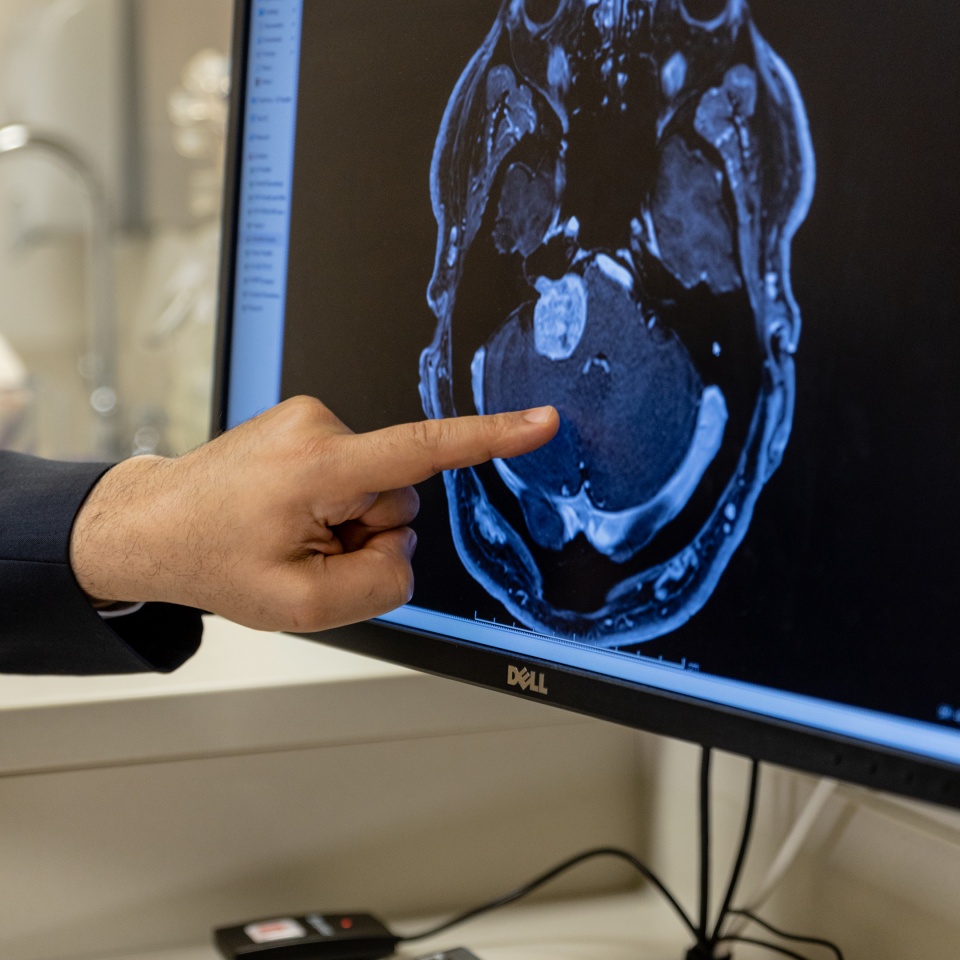
Why Patients Choose Our Center for Meningioma Surgery
Meningioma surgery requires exceptional skill because the tumor often lies near critical brain structures, major blood vessels, the optic apparatus, or cranial nerves. The ATLAS Institute of Brain and Spine provides a level of expertise, technology, and multidisciplinary support that is difficult to find at general neurosurgical centers.
Global Expertise Backed by Unmatched Surgical Volume
Dr. Cohen has performed more than 2,000 meningioma surgeries with consistently exceptional results. This experience translates to safer procedures, more predictable outcomes, and an ability to manage the most challenging tumors with confidence. His focus on minimally invasive corridors and low-impact approaches allows many patients to avoid large incisions, extensive bone removal, or prolonged recovery.
Complete Tumor Removal Rates that Exceed National Benchmarks
With a 95 percent success rate in complete tumor resection, this center delivers outcomes significantly higher than national averages. Tumor recurrence is less likely when a surgeon achieves maximal safe removal, which is one of Dr. Cohen’s core principles. By combining advanced imaging, preoperative planning, and delicate microsurgical techniques, he is able to safely remove tumors that many surgeons consider inoperable.
Minimally Invasive Approaches with Minimal Scarring
Whenever possible, Dr. Cohen performs meningioma surgery using smaller incisions and less disruptive surgical corridors. Patients benefit from shorter recovery times, reduced postoperative discomfort, fewer cosmetic concerns, and lower complication rates. Many operations use keyhole or endoscope-assisted techniques, which are not widely available at standard neurosurgical centers.
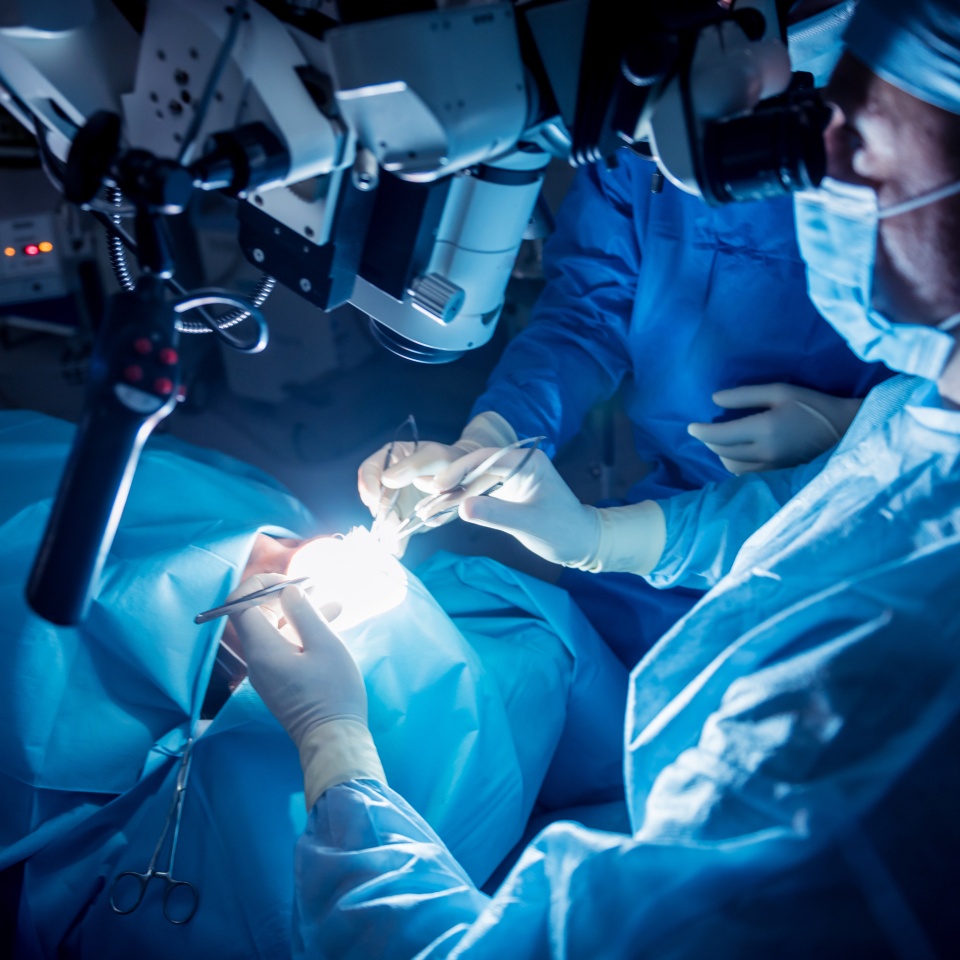
Advanced Technology for Safer, More Precise Surgery
Modern meningioma surgery requires more than skill alone. Dr. Cohen integrates advanced technologies that significantly improve surgical precision and patient safety.
High-Resolution Endoscopy
Ultra high-definition endoscopes provide magnified visualization of deep brain structures, tumor boundaries, and blood vessels. This allows for a more complete tumor removal while limiting manipulation of surrounding tissues.
Intraoperative Navigation with MRI and CT Mapping
Real-time navigation enables Dr. Cohen to map the safest route to the tumor while avoiding critical structures. This reduces risk and improves the accuracy of tumor resection.
Microvascular Imaging for Blood Vessel Preservation
Since meningiomas often encase or distort major blood vessels, microvascular imaging is essential for preserving normal circulation and preventing postoperative complications.
Proprietary 3D Surgical Simulation Platform
One of the most unique advantages of this center is the use of a custom-built 3D surgical simulation system. Dr. Cohen uses this platform to recreate the patient’s anatomy in detail and rehearse the procedure before entering the operating room.
This technology allows him to:
- Identify the safest surgical corridor
- Avoid high-risk anatomical regions
- Minimize brain manipulation
- Improve tumor removal rates
- Reduce postoperative deficits
Very few neurosurgeons globally have access to this level of simulation, and even fewer utilize it as extensively as Dr. Cohen does.
Individualized, Multidisciplinary Care for Every Patient
Meningioma patients at this center benefit from a coordinated team that includes specialists in neurosurgery, neuro-oncology, radiation oncology, neuropathology, and rehabilitation. This integrated model ensures that patients receive comprehensive care at every stage of their treatment.
Collaborative Tumor Board Planning
Each case is reviewed by a multidisciplinary team that analyzes imaging, tumor behavior, patient symptoms, and long-term goals. Together, they create a personalized treatment plan that supports the patient’s overall health and neurological function.
Access to Radiation Oncology Experts
For tumors that require radiosurgery or fractionated radiation therapy, the center partners with leading specialists to deliver precise, evidence-based treatment.
Rehabilitation and Postoperative Support
Patients receive coordinated follow-up that includes physical therapy, cognitive support when needed, and long-term monitoring for recurrence. The center places strong emphasis on restoring quality of life and supporting a full return to normal activities.
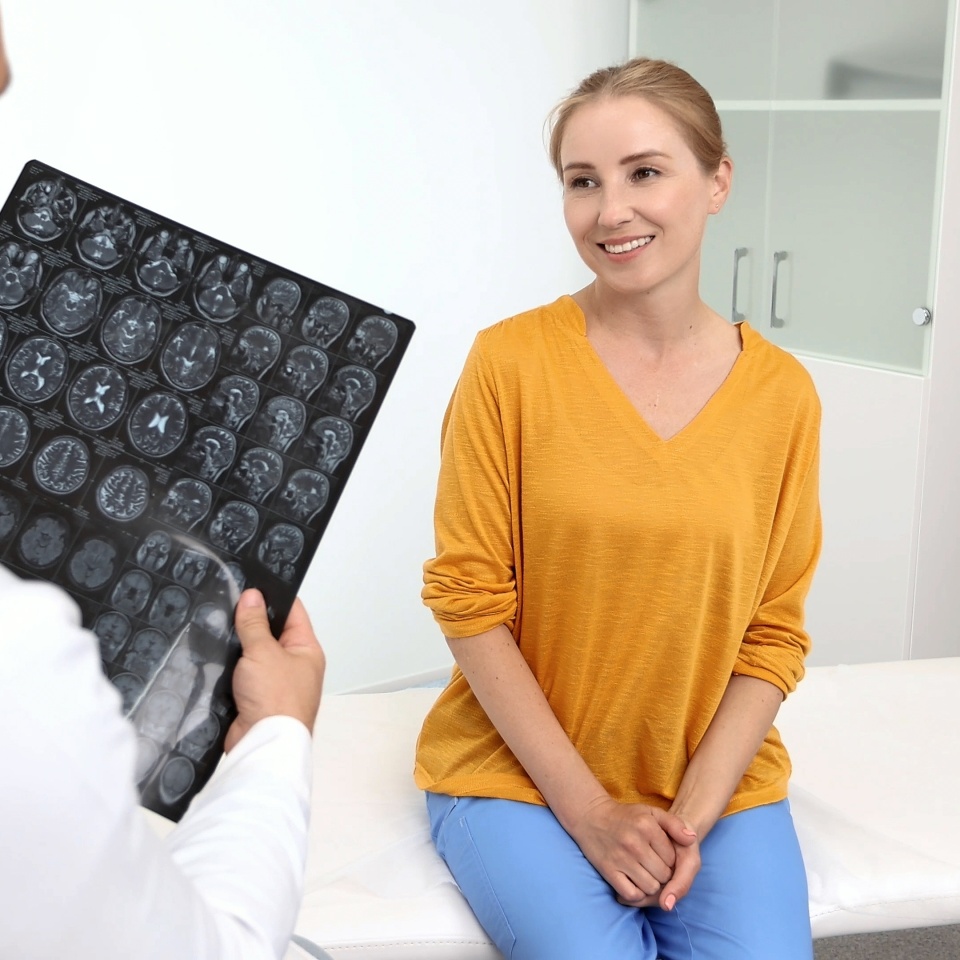
Superior Outcomes and Faster Recovery
Exceptional outcomes are the hallmark of this center. Dr. Cohen’s surgical philosophy emphasizes maximal safe tumor removal while protecting brain and nerve function.
Lower Complication Rates and Shorter Hospital Stays
Because of meticulous planning, minimally invasive techniques, and advanced imaging, patients typically experience smoother recoveries compared to standard centers. Many patients are able to return home earlier and resume daily activities more quickly.
Long-Term Quality of Life
Preserving cognitive function, facial nerve function, vision, hearing, and balance is a primary goal in every operation. Patients treated at this center consistently report excellent long-term neurological outcomes.
Access to Clinical Trials and Innovative Therapies
The u003cspanu003eATLAS Institute of Brain and Spineu003c/spanu003e participates in ongoing research and offers access to new meningioma treatments, including investigational therapies not widely available.
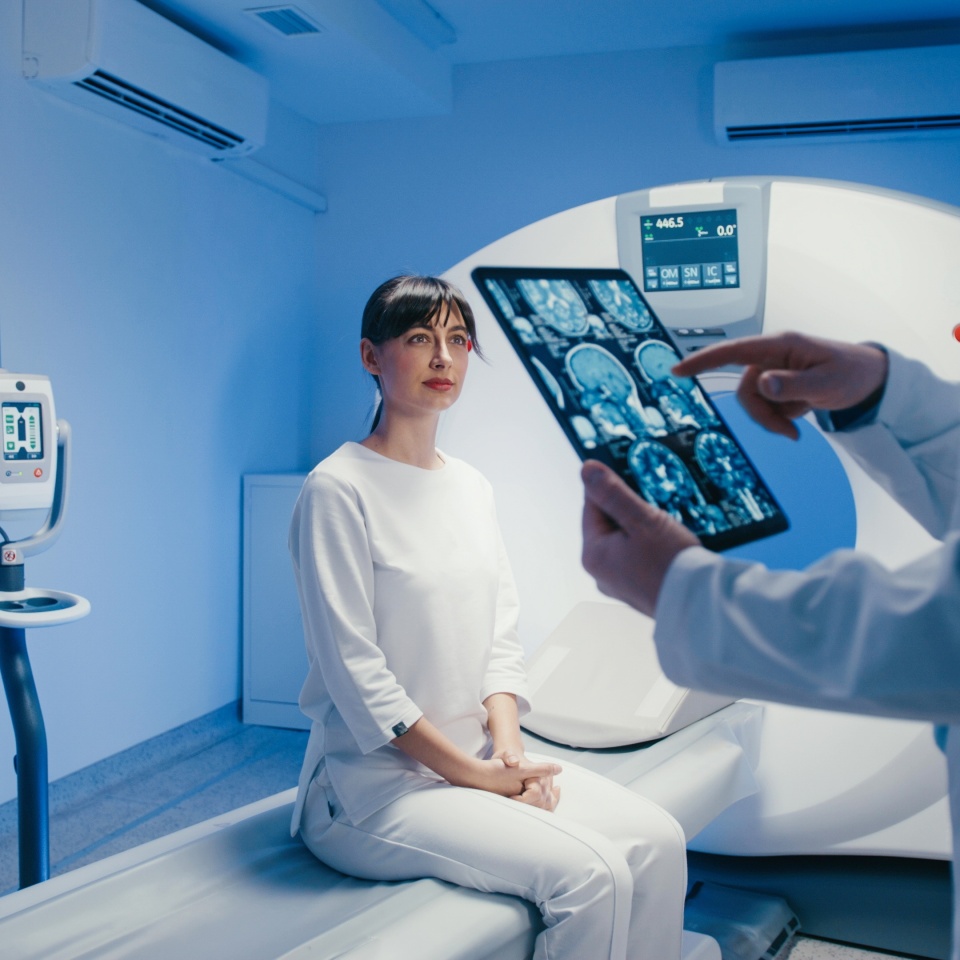
What to Expect During the Patient Journey
Diagnosis and Imaging
Patients undergo high-resolution MRI and CT scans to determine the tumor’s size, location, and impact on nearby structures.
Consultation with Dr. Cohen
During the consultation, Dr. Cohen reviews the imaging, discusses treatment options, explains the safest surgical approach, and answers all questions. Patients benefit from his decades of experience and ability to simplify complex neurosurgical concepts.
Preoperative Planning with 3D Simulation
Before surgery, Dr. Cohen uses the 3D platform to map the ideal route to the tumor and practice the entire procedure.
Surgery and Hospital Recovery
Most patients undergo minimally invasive microsurgery with continuous monitoring of neural pathways and blood vessels. After surgery, patients stay in a specialized recovery unit before transitioning home.
Long-Term Follow-Up
Routine imaging and clinical evaluations ensure that patients remain stable, functional, and informed. Lifelong follow-up is provided when needed.
Frequently Asked Questions About Meningioma Surgery
-
His combination of extremely high surgical volume, minimally invasive expertise, advanced technology, and proprietary 3D planning consistently results in safer surgeries and more complete tumor removal.
-
Not all, however, many tumors considered inoperable at other centers are safely removed here due to the use of specialized approaches and advanced imaging.
-
Most patients recover faster than expected and return to normal activities more quickly than at standard centers, often within weeks depending on tumor complexity.
-
Most procedures use small, cosmetically favorable incisions that heal with minimal visible scarring.
-
Dr. Cohen frequently treats recurrent meningiomas and complex cases referred from other surgeons.
-
Not always. Many patients achieve complete cure through surgery alone. Radiation is recommended only when tumor characteristics or location require it.
-
High-resolution MRI, CT, microvascular imaging, and intraoperative navigation are standard for all patients.
-
It allows Dr. Cohen to rehearse the surgery before entering the operating room, reducing risk and improving precision.
-
Yes. The center has a dedicated team for traveling patients who coordinates consultations, imaging, and postoperative care.
-
Most patients experience excellent long-term neurological function and low recurrence rates, especially when complete resection is achieved.
Request a Consultation with the Meningioma Center of Excellence
Patients seeking the highest level of expertise in meningioma surgery can contact the ATLAS Institute of Brain and Spine to schedule a comprehensive evaluation with Dr. Aaron Cohen-Gadol. With unparalleled surgical volume, advanced minimally invasive techniques, and industry-leading technology, this center provides the safest, most effective treatment for meningiomas of all types and complexities.